10 Women Sex Toys Buying Tips for Global Buyers

Time:2026-11-09 Author:Mason
0%

Buying Women Sex Toys for an international market requires more than comparing prices and product photos. Buyers must examine materials, labeling, quality controls, shipping terms, and local requirements. A polished image cannot confirm what a product is made from. Look for clear material descriptions, care instructions, and manufacturer contact details. Small details matter, such as a charging port that seals properly or a package that protects the item from moisture.

Sexual-health educator Emily Nagoski offers a useful reminder: “Pleasure is the measure.” That idea can guide product selection without replacing practical checks. Consider different comfort levels, body shapes, noise expectations, and preferred controls. A simple, easy-to-clean design may suit some customers better than a feature-heavy model. There is no single best choice. Buyers should also check age-appropriate marketing, warranty coverage, customer support, and whether import, labeling, or advertising rules differ in each destination market.

This guide presents ten buying tips for global buyers, from material claims and supplier screening to packaging and after-sales service. Ask for relevant test reports, but verify what each document actually covers. A certificate is not a magic shield. Confirm that claims match the exact model and market, and avoid vague promises such as “100% safe” without evidence. Compare sample quality with bulk production, and keep written records of specifications. Some advice here may still need adapting to a buyer’s region or audience. That is worth acknowledging. Careful purchasing is less about finding a perfect product and more about making informed, transparent decisions.
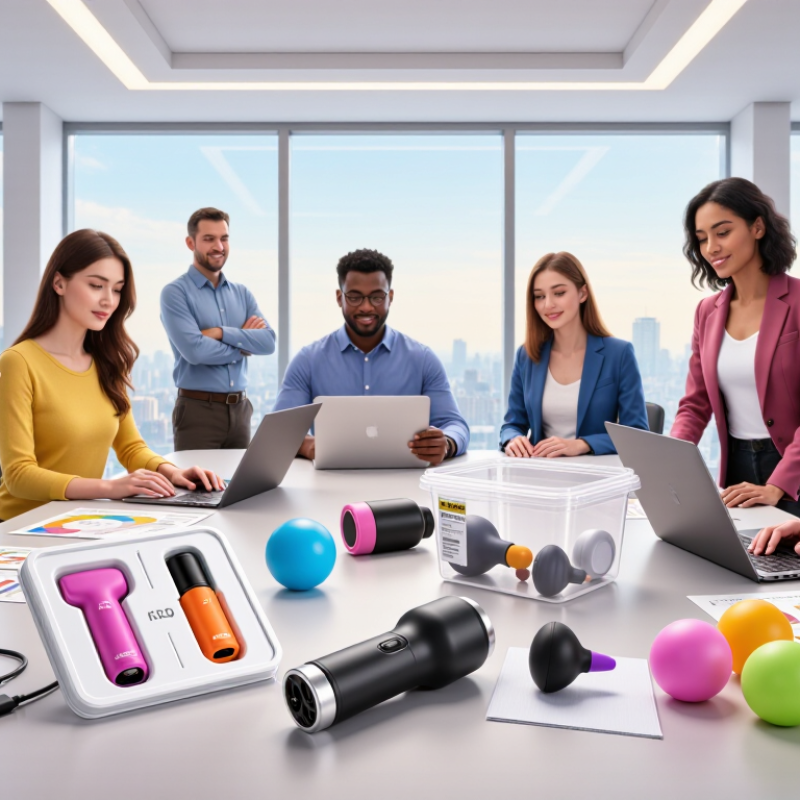
10 Women Sex Toys Buying Tips for Global Buyers

Identify sex toy categories and intended use under ISO 3533:2021

For global buyers, ISO 3533:2021 offers a safety framework for products designed to contact genitalia, the anus, or both. It is not a shopping taxonomy, so classify products by intended contact and use. A small external vibrator, an insertable vaginal product, and an anal product have different design considerations. Check the product description, instructions, and risk information against that intended use. Details matter: insertion depth guidance, a smooth finish, and a secure handle can affect how clearly a product is suited to its stated purpose. Short labels can be vague.

The standard’s scope helps buyers ask better questions, but a certificate alone does not explain every product feature. Request relevant conformity or test documentation, and check whether the tested model matches the item being purchased. Also review material information, cleaning instructions, and warnings for the intended use. Grand View Research estimated the global sex toys market at USD 35.2 billion in 2023, reflecting a broad and varied product landscape. That figure is a market estimate, not evidence that every category or product meets the same safety expectations. Compare specifications, not just category names. Some listings still leave room for doubt; that is a reason to seek clearer documentation before ordering.

10 Women’s Sex Toy Buying Tips for Global Buyers — Identify Sex Toy Categories and Intended Use under ISO 3533:2021

Standards context: ISO 3533:2021 sets design and safety requirements for sex toys intended for direct contact with the genitalia, anus, or other body parts. It does not create product categories or, by itself, establish that a product is certified. Check the standard’s scope and applicable local requirements for each product.

Tip Category and intended use What to check before buying Global buyer consideration
01 External vibrators
Designed for external stimulation; shapes and controls vary.
Review dimensions, control layout, operating instructions, and the materials and care information supplied by the seller. Confirm that instructions and safety information are available in a language you understand.
02 Internal vibrators
Designed for vaginal insertion when the product instructions specify this use.
Check the stated intended use, dimensions, insertion limits, cleaning directions, and any warnings. Do not infer intended use from appearance alone; follow the product’s instructions and local consumer-safety guidance.
03 Dual-stimulation toys
Designed to provide external and internal stimulation, if specified by the manufacturer.
Check the design, fit information, controls, and instructions for each intended contact area. Compare the listed dimensions with the product’s measurement guide; sizing descriptions may vary between sellers.
04 Air-pulse or suction-style stimulators
Designed for external use around the clitoral area according to the product instructions.
Look for clear operating instructions, control descriptions, cleaning guidance, and warnings about use. Check whether replacement parts or charging accessories are available in your destination market.
05 Non-vibrating insertable toys
Includes products intended for vaginal use or other uses explicitly stated by the manufacturer.
Verify the stated use, dimensions, material information, cleaning instructions, and any required flared base or handle for the stated use. Choose products with traceable product information and clear instructions rather than relying on promotional claims.
06 Anal-use toys
Designed specifically for anal insertion when the manufacturer identifies that use.
Check that the design includes an appropriate stop or retrieval feature, and follow the product’s use and cleaning instructions. Do not use a product for anal insertion unless its instructions identify it for that use.
07 Material and surface information
Relevant to any toy that contacts the body.
Look for specific material identification, care instructions, and warnings. A “body-safe” marketing phrase alone does not verify composition or suitability. Check applicable local rules for product labeling and materials; requirements can differ by market.
08 Cleaning and shared use
Applies to reusable toys across categories.
Follow the manufacturer’s cleaning instructions. For shared use, consider a compatible barrier and change it between users or contact areas. Confirm that the cleaning method is compatible with the product; not every toy can be boiled or immersed.
09 Lubricant compatibility
Relevant when using lubricant with a toy or for a stated type of use.
Check the toy and lubricant instructions for compatibility. If unsure, consult the manufacturers’ guidance before use. Review ingredient and use information, especially if you have known sensitivities; discontinue use if irritation occurs.
10 Powered and rechargeable toys
Includes battery-operated and rechargeable products.
Check charging instructions, battery information, electrical ratings where provided, and whether the product’s water-resistance claims include a stated rating or test basis. Confirm plug, voltage, charging, and import requirements for your location. Do not assume “waterproof” means safe for every type of immersion.

Check body-contact materials and market-specific compliance requirements

For global buyers, body-contact material claims deserve more than a “body-safe” label. Ask suppliers for material specifications and test reports tied to the finished product, not just raw silicone or plastic. Check seams, coatings, and detachable parts; a smooth surface can still hide a questionable finish. ISO 3533:2021 sets safety requirements for sex toys, including design and materials. A certificate helps, but it does not answer every question.

Tips: Request test results for the exact model and color. Confirm testing covers relevant substances, such as restricted phthalates, and ask which laboratory performed it. Keep batch records. Small details matter.

Compliance changes by destination. ECHA’s 2023 REF-10 inspection project checked about 2,400 products across several categories; 18% failed relevant EU chemical restrictions. That figure is not specific to sex toys, but it shows why broad supplier assurances are weak evidence. Map each market’s rules for chemical limits, labeling, documentation, and importer responsibility before shipment. Requirements may differ, and a document accepted in one market may not satisfy another. If a report omits the tested model, date, or method, pause and ask for clarification. It is easy to miss something.

Compare dimensions, controls and care; IEC 60529 defines IPX7 immersion at 1 m for 30 min

When comparing women’s sex toys, check the actual dimensions, not just product photos. A ruler beside the listed length and width can help you judge storage space and handling. Look for controls you can find by touch, especially if the device has several modes. Simple controls matter. A button that is hard to distinguish from the power button can be frustrating.

For water resistance, read the rating carefully. IEC 60529 defines IPX7 as protection against temporary immersion in water up to 1 metre deep for 30 minutes under specified test conditions. That rating does not mean a toy is suitable for every bath, shower, or cleaning method. It also does not confirm that seals remain intact after wear.

Check the care instructions, charging-port cover, and any limits on water temperature or cleaning products. A quick rinse may be allowed; soaking in hot, soapy water may not. Ask the seller for clarification if the instructions are vague.

It is easy to assume “waterproof” means carefree, but that assumption can be costly. Compare the stated rating with your intended use, and inspect the device for damage before cleaning or charging it.

Verify rechargeable batteries: UN 38.3 specifies 8 transport-safety tests

When sourcing a rechargeable product, ask for transport-test records for the exact battery type and configuration. A product listing that says “rechargeable” is not enough. UN 38.3 sets transport tests for lithium cells and batteries; it is not a general quality or performance rating.

The eight test types include altitude simulation, thermal cycling, vibration, and mechanical shock. Other tests check external short circuits, impact or crush, overcharge, and forced discharge. Applicability depends on whether the item is a cell or a battery. Request the UN 38.3 test summary and compare its battery model details with the supplier’s current specification. Check that the report identifies the tested design, not merely a similar-looking battery. Small differences can matter.

Look closely at shipment paperwork, too. A test summary supports verification, but it does not replace correct packaging, labeling, or carrier requirements. Ask who prepared the documents and whether the battery design has changed since testing. A neat PDF can still leave questions unanswered. For example, a different capacity or cell arrangement may deserve clarification before you approve an order. Keep the records with your purchasing file, and ask for a clear explanation if model numbers do not match.

Evaluate suppliers, warranties, data privacy and import requirements by market

Cross-border buying starts with supplier evidence, not a glossy catalog. Grand View Research estimated the global sexual wellness market at USD 35.2 billion in 2023. A large market does not guarantee consistent quality. Request product-specific test reports, material declarations, batch codes, and written warranty terms. Ask whether coverage includes motor faults after opening, and who pays return shipping. Check a sample for uneven seams, sharp edges, or a strong chemical odor. Small details matter. A neat PDF can still leave gaps; question it.

Treat data privacy as part of product due diligence. IBM’s 2024 Cost of a Data Breach Report estimated the global average breach cost at USD 4.88 million. That figure concerns organizations, not individual buyers, but it underlines the stakes of weak data handling. Review app permissions, account deletion options, encryption claims, and retention policies. Keep it in writing. Before ordering, confirm the correct customs classification, duties, required labels, safety documents, and any battery-shipping rules for the destination market. Requirements differ by country and product type. Ask a qualified customs broker or local authority to verify details before payment; supplier assurances alone may not be enough.

FAQS

How should I classify a product under ISO 3533:2021?

Classify it by intended contact and use, not by its shopping category. External, vaginal, and anal products may have different design considerations. Check the instructions and risk information. Labels can be vague.

What details help confirm a product’s intended use?

Review insertion guidance, finish, and handle design. A smooth surface and secure handle may clarify how a product is intended to be used. If details are missing, ask for clearer documentation.

Does a certificate prove every product feature is safe?

No. Request relevant test or conformity documents, and confirm they match the exact model. Review material details, cleaning instructions, and warnings. A certificate alone may leave questions.

What should I compare when choosing product dimensions and controls?

Check the listed length and width against a ruler. Consider storage space and handling. Try to identify controls by touch. Simple controls matter.

What does an IPX7 rating mean?

IEC 60529 defines IPX7 as temporary immersion up to one metre for 30 minutes under specified test conditions. It does not guarantee suitability for every bath or cleaning method. Check the care instructions.

Does “waterproof” mean I can soak a product freely?

Not necessarily. Review port-cover details, water-temperature limits, and approved cleaning methods. A quick rinse may be allowed, while hot, soapy water may not be. The wording can be confusing.

What battery documents should I request for a rechargeable product?

Ask for the UN 38.3 test summary for the exact battery type and configuration. Compare model details with the supplier’s current specification. A similar-looking battery is not enough.

Which tests are included in UN 38.3?

The eight test types include altitude simulation, thermal cycling, vibration, mechanical shock, short circuit, impact or crush, overcharge, and forced discharge. Applicability varies by cell or battery. I would check that carefully.

Does a UN 38.3 test summary cover shipment requirements?

No. It supports verification but does not replace correct packaging, labeling, or carrier requirements. Ask whether the battery design changed after testing. Keep the records with your purchasing file.

Conclusion

When sourcing Women Sex Toys for international markets, begin by identifying each product category and its intended use in line with ISO 3533:2021. Check that materials touching the body are clearly documented, and confirm applicable safety, labeling, and import requirements for each destination market. Compare dimensions, control layouts, operating modes, and cleaning instructions so buyers can assess whether products suit their customers and are practical to maintain.

For water-resistant products, review test documentation: IEC 60529 defines the IPX7 immersion test as submersion in one meter of water for 30 minutes under specified conditions. For rechargeable items, request evidence that batteries have completed the eight transport-safety tests specified by UN 38.3. Also evaluate supplier quality controls, warranty terms, replacement-part availability, and procedures for protecting customer and product data. A careful review of these points can help buyers make informed, responsible purchasing decisions and reduce avoidable sourcing and shipping problems.


Mason

Mason

Mason is a seasoned marketing professional with a deep expertise in the company's offerings and a passion for driving brand awareness. With a strong background in digital marketing strategies, he has an innate ability to connect with diverse audiences and effectively communicate product benefits.......