Sourcing a Rose Petal Toy for global buyers requires more than attractive photos and a low quotation. The product may be a soft sensory toy, decorative gift, or children’s play item. Define its intended use before contacting factories. This distinction affects materials, labeling, age grading, and safety testing. A buyer should request clear specifications, including dimensions, fabric composition, filling, stitching method, colorfastness, and packaging details. Small details matter. A loose thread can change a customer’s entire impression.
Reliable sourcing begins with evidence. Review the supplier’s factory profile, production experience, quality system, and export records. Ask for recent product samples, not only digital catalogs. Compare the sample with the approved specification under natural light. Check seams, odor, petal edges, button security, and package durability. For children’s products, confirm applicable destination-market requirements through qualified testing laboratories and local compliance professionals. Standards differ between markets, so one certificate may not cover every destination. This is where inexperienced buyers often overestimate paperwork. Compliance is a process, not a logo.
A practical sourcing plan should examine minimum order quantities, tooling fees, lead times, inspection points, payment terms, and after-sales support. Build a written quality agreement before production starts. Include acceptable defect limits and photo-based approval steps. Shipping conditions deserve equal attention. Humidity, crushing, and delayed customs clearance can damage soft packaging or distort the toy. Pilot orders reduce risk, although they cannot reveal every seasonal problem. I would also keep a supplier comparison sheet and record every change. Sourcing is rarely perfect. Careful buyers learn, adjust, and document decisions. With transparent communication and independent verification, global buyers can develop a safer, more consistent Rose Petal Toy supply chain.
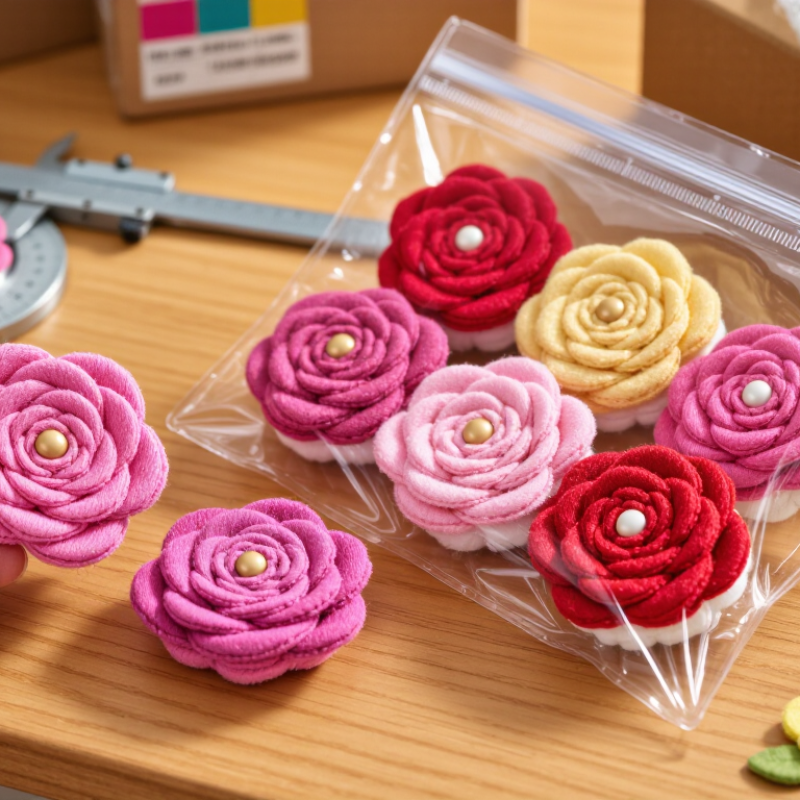
Define Rose Petal Toys and Their Main Market Uses
Rose petal toys are play items shaped like soft flower petals or made with petal-inspired textures. They may support pretend cooking, sensory activities, craft play, or gentle role-playing. Their appeal comes from bright colors, flexible forms, and a natural-looking theme. Some buyers choose them for children’s learning sets, while others use them in gift boxes, play corners, or seasonal displays. The product must still be designed as a toy, not merely as decoration. Safe materials, smooth edges, secure stitching, and suitable age guidance are essential for responsible sourcing.
Global buyers often request different colors, sizes, textures, and packaging formats. A transparent pouch can show the petal shapes clearly. A small carton may suit retail shelves better. In my experience, color matching is rarely perfect between samples and bulk production. This detail deserves honest communication. Testing should cover material safety, small parts, durability, and labeling requirements for the destination market. Requirements can vary widely, so suppliers should provide clear technical files and traceable production information. Do not rely on attractive photos alone.
Tips: Ask for a physical sample before ordering. Check the odor, stitching, flexibility, and color consistency. Keep it simple. Also, review how children might misuse the toy. That uncomfortable question can reveal weak seams or unsuitable components. Rose petal toys may look delicate, but buyers expect reliable performance after repeated handling. A practical sourcing plan balances appearance, educational value, safety evidence, packaging, and realistic production limits.
Set Product Specifications for Safety, Materials, and Design
For global buyers, rose petal toys need a precise product specification before sampling begins. Grand View Research valued the global toys market at approximately USD 108.7 billion in 2023. That scale increases scrutiny around safety, consistency, and documentation. I usually define the target age first, then record length, width, weight, filling volume, and seam strength. A soft petal toy should not shed fibers during pulling, twisting, or washing tests.
Safety requirements must reflect the destination market. Use ASTM F963 or ISO 8124 as technical references, then confirm applicable local rules with an accredited laboratory. The U.S. Consumer Product Safety Commission reported about 145,500 toy-related emergency-department injuries among children under 12 in 2022. Therefore, avoid detachable eyes, loose ribbons, sharp trims, and accessible filling. Specify colorants, plasticizers, heavy-metal limits, flammability performance, and wash durability. Test production samples, not only the best prototype.
Material choices shape both safety and user experience. Recycled polyester can provide consistent softness, while cotton may need tighter controls for shrinkage and dye bleeding. Specify fabric weight, pile height, odor limits, and acceptable color variation. Design details should include rounded edges, reinforced petal joints, washable construction, and clear age labeling. A 10-centimeter petal may look attractive, yet become a small-parts concern if it detaches. I have sometimes underestimated packaging strength. That mistake deserves review. Include carton drop tests, barcode placement, batch codes, and inspection photos for every shipment.
Identify and Evaluate Qualified Global Suppliers
How to Source Rose Petal Toys for Global Buyers?
Qualified suppliers should provide clear material records before discussing prices. Ask whether the rose petals are natural, synthetic, or blended with other fibers. Request composition sheets, safety data, batch numbers, and recent laboratory reports. The product should have consistent color, texture, stitching, and odor across samples. Strong suppliers explain their process without hiding behind vague descriptions. That matters.
Evaluate factory capability through samples, production photos, and a live video inspection. Check storage areas for moisture, dust, pests, and mixed materials. Rose-based components can absorb odors or moisture when stored poorly. Ask how workers control cleaning, drying, cutting, filling, and final inspection. Independent testing should cover physical safety, dyes, restricted substances, and age-related requirements for the destination market. Test reports must match the exact product, not a similar item.
Communication is another qualification signal. A reliable supplier answers technical questions directly and records agreed specifications in writing. Confirm minimum order quantities, lead times, packaging strength, replacement policies, and shipment documents. Request a pilot order before committing to a large purchase. Inspect random units from that batch. One imperfect sample may reveal a wider process problem. I have found that attractive prototypes can hide weak seams or inconsistent filling. My own evaluation can also miss details, especially when deadlines create pressure. Use a third-party inspection when the order value justifies it, and keep dated records for every decision.
How to Source Rose Petal Toys for Global Buyers?
Identify and Evaluate Qualified Global Suppliers
The chart compares selected sourcing markets using the 2023 World Bank Logistics Performance Index, which scores logistics performance from 1 to 5. A higher score can support more reliable international procurement, but buyers should also verify toy safety testing, material declarations, production capacity, quality-control procedures, ethical compliance, and export documentation before approving a supplier.
Data source: World Bank, Logistics Performance Index 2023. Country-level logistics scores are an initial market-screening indicator, not individual supplier ratings.
Verify Samples, Certifications, Pricing, and Production Capacity
When sourcing rose petal toys for global buyers, treat the sample as evidence, not decoration. Request production-intent samples in the final fabric, filling, thread, and packaging. Check petal edges, loose fibers, seam strength, color transfer, odor, and small-part risks. Look closely. Rub a damp white cloth across dyed areas. Wash the toy as instructed, then inspect shrinkage and stuffing movement. Photograph every defect beside a ruler. A sample can pass visual review and still fail after repeated handling. This happened in one trial; the supplier changed the thread without notice. That mistake was preventable.
Ask for current test reports and certificates relevant to each destination market. Confirm the product name, model, material list, test date, and laboratory accreditation. Do not accept a generic certificate for a different toy. Request records covering flammability, restricted substances, mechanical safety, and labeling where applicable. Ask for traceability. Keep batch codes on cartons and retain approval samples. Requirements vary by country, age grading, and intended use, so a local compliance specialist may be necessary. Paperwork alone is not proof. It must match the shipped product.
Compare pricing line by line. Separate unit cost, tooling, packaging, inspection, freight terms, taxes, and payment charges. Costs can mislead. Ask what changes at 500, 2,000, and 10,000 units. One early estimate excluded individual boxes and final inspection. Capacity also needs evidence. Review monthly output, current orders, production lead time, equipment, staffing, and backup material sources. Capacity is evidence. Request a realistic peak-season schedule. Dyeing or hand assembly may become the bottleneck. Use a small pilot order before scaling. It exposes weaknesses cheaply, though it can slow the launch.
Manage Orders, Quality Control, Shipping, and Import Compliance
Sourcing rose petal toys for global buyers requires more than comparing supplier prices.
Start with a clear purchase order covering materials, colors, dimensions, packaging, quantities, and delivery dates. Use approved samples before production begins. UNCTAD’s Review of Maritime Transport 2023 states that over 80% of global merchandise trade by volume moves by sea. Therefore, choose shipping terms carefully and allow time for port delays, inspections, and document corrections.
Quality control should include checks at three stages: raw materials, production, and final packing.
Inspect stitching, loose parts, sharp edges, color transfer, odor, and packaging strength. For children’s toys, request testing against applicable requirements such as EN 71, ASTM F963, or local chemical restrictions. Testing should come from an ISO/IEC 17025-accredited laboratory. Sampling can follow ISO 2859-1, but sample numbers must match the order risk. More samples may be needed for new suppliers. Small defects can become expensive claims.
Import compliance needs a practical document file.
Keep the commercial invoice, packing list, bill of lading, test reports, certificates, product photos, and material declarations together. Check tariff classification before shipment, not after arrival. The World Bank’s Logistics Performance Index 2023 links reliable customs processes with stronger supply-chain performance. Still, paperwork alone cannot fix unclear labeling. Include age guidance, warnings, country-of-origin details, and traceable batch information where required. I have seen schedules fail because cartons used different product names. That mistake is avoidable, but not rare.
FAQS
They are soft, petal-shaped toys for pretend cooking, sensory play, crafts, and gentle role-playing. Bright colors and flexible textures attract children. They must function as toys, not only decorations.
The petals may use synthetic fibers, natural fibers, or blended materials. Ask for composition records before discussing price. Material details should match the physical sample. Guessing is risky.
Check the odor, stitching, flexibility, color, and surface texture. Gently pull seams and inspect loose threads. Notice whether the toy feels damp or unusually stiff. Small details matter.
Request material records, batch details, safety reports, and production information. Review samples and inspect storage areas through photos or live video. Look for moisture, dust, pests, and mixed materials. Clear answers are important.
A pilot order reveals problems before a large commitment. Inspect random units for weak seams, uneven filling, odor, and color variation. One bad sample may indicate a wider process issue. It may also be an isolated mistake.
Check raw materials, production units, and final packaging. Inspect loose parts, sharp edges, color transfer, stitching, odor, and carton strength. Testing should match the exact product and destination requirements. Photos alone are not evidence.
Keep the invoice, packing list, shipping document, test reports, material declarations, and product photos together. Add required warnings, age guidance, origin details, and batch information. Consistent product names matter. Carton errors can delay clearance.
Allow time for port delays, inspections, and document corrections. Confirm shipping terms before production begins. Sample and bulk colors may differ slightly. Perfect matching is uncommon, so record acceptable color limits in writing.
Conclusion
Sourcing a Rose Petal Toy for global buyers requires a clear understanding of its purpose, target users, and main market applications. Buyers should define product specifications covering dimensions, appearance, materials, durability, child-safety considerations where relevant, and design details such as color, texture, and packaging. These requirements create a practical standard for comparing suppliers and ensuring the final product matches customer expectations.
The sourcing process should include identifying qualified international suppliers, reviewing their manufacturing experience, and evaluating communication, production systems, and quality controls. Before placing an order, buyers should verify samples, available certifications, pricing, minimum order quantities, lead times, and production capacity. Effective order management also involves written specifications, pre-shipment inspections, shipment planning, accurate documentation, and compliance with destination-market import requirements. Careful coordination at every stage helps reduce quality risks, avoid unexpected delays, and build a reliable supply process for long-term global purchasing.

 Secretme