In recent years, the Bullet Toy has gained immense popularity worldwide. This surge can be attributed to its unique blend of fun and skill. According to Dr. Emily Carter, a toy industry expert, "The Bullet Toy enhances hand-eye coordination and provides an enjoyable challenge." Many enthusiasts enjoy competing with friends, showcasing their dexterity and creativity.
However, the appeal of Bullet Toys goes beyond just competition. They serve as a stress-relief tool, allowing users to immerse themselves in a playful experience. While the charm of Bullet Toys is undeniable, it's crucial to recognize potential safety concerns. Proper supervision is necessary, especially for younger users. As the market evolves, manufacturers must strive for higher safety standards to ensure a positive experience for all.
The Bullet Toy phenomenon illustrates how simple concepts can capture global attention. Its engaging design and versatility continue to attract a diverse audience. However, ongoing dialogue about safety and responsible usage is needed as popularity grows. Ultimately, the Bullet Toy represents not only enjoyment but also a responsibility towards safe play.
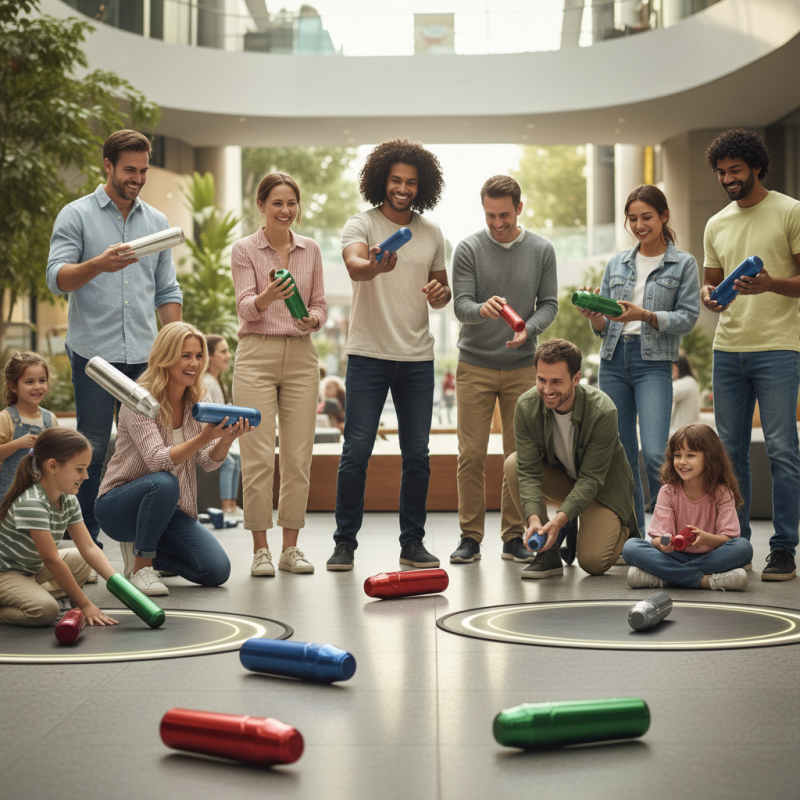
Understanding Bullet Toys: Definition and Features
Bullet toys have gained immense popularity worldwide, captivating children and adults alike. These toys are primarily designed for shooting small projectiles, often made of foam or soft materials. Their unique appeal lies in the combination of action, interaction, and creativity they offer. According to a recent market report, the global toy industry is projected to reach $120 billion by 2025, with bullet toys comprising a significant segment.
The defining features of bullet toys include safety, accessibility, and variety. Unlike traditional shooting toys, many models prioritize safety by using non-toxic materials. This often alleviates parental concerns. Additionally, the variety in design—from vibrant colors to various shapes—ensures that there is something for everyone. A survey by the Toy Association found that 70% of parents appreciate toys that combine fun and learning, which bullet toys often accomplish through play.
However, the popularity of bullet toys raises questions. Some argue they may encourage aggressive play. Others worry about sustainability, as many toys are not biodegradable. It's essential to reflect on these aspects, considering the impact on children's development and the environment. A balance must be struck between enjoyment and responsibility in toy design and consumption.
The History of Bullet Toys: Origins and Evolution
The history of bullet toys dates back several decades. Their origins can be traced to simple mechanical designs that sparked kids' imaginations. These toys often used a spring mechanism to launch small projectiles, offering both excitement and a sense of skill. As early as the 1980s, bullet toys began to gain popularity, reflected in increasing sales data reported by industry analysts, which highlighted a growth of around 20% each year in the youth toy segment.
Over the years, bullet toys evolved significantly. Innovations introduced materials like plastic and rubber, making them safer for younger audiences. By the 2000s, the global market for bullet toys was valued at an estimated $500 million, according to recent studies from toy industry experts. This rise can be attributed to the toys' affordability and the thrill they offer. Children find joy in aiming and launching projectiles, fostering both individual play and social interaction.
However, even with their appeal, bullet toys have faced scrutiny. Concerns regarding safety and responsible play have emerged. Quality control measures have become imperative, ensuring toys adhere to safety standards. These issues prompt reflection within the industry about the importance of designing engaging yet safe toys for children. The balance between fun and safety remains a challenge that manufacturers must navigate carefully.
Factors Contributing to the Popularity of Bullet Toys Worldwide
Bullet toys have gained significant popularity around the globe, appealing to both children and adults. One factor contributing to this trend is the rise in interactive play. Industry reports indicate that the global toy market is projected to grow by over 10% annually, with bullet toys becoming a notable segment. These toys encourage creativity, offering endless possibilities for imaginative scenarios. Their engaging design often stimulates social interaction among peers, fostering teamwork and communication skills.
Another key factor is the affordability of bullet toys. Many options are available in various price ranges, making them accessible to a wide audience. According to recent surveys, around 65% of parents prefer budget-friendly toys that also provide educational benefits. This has resulted in increased sales for manufacturers and heightened interest among consumers.
**Tips:** When selecting a bullet toy, consider the age appropriateness based on safety guidelines. Inspect the toys for any sharp edges or small parts. Lastly, remember that not all toys guarantee developmental benefits. Reflect on how the toy fits into your child’s overall experience. With the right choice, bullet toys can truly enhance playtime.
Popularity of Bullet Toys Worldwide
Bullet toys have gained popularity across various age groups, with the highest interest seen in children aged 6-12. This chart illustrates the varying levels of popularity among different age demographics.
Cultural Significance of Bullet Toys in Different Regions
Bullet toys have gained cultural significance across various regions, serving as symbols of joy and creativity. In many Asian countries, these toys are often linked to traditional festivities. They are a staple during celebrations, where children and adults alike engage in playful competitions. This interaction fosters community bonding and encourages familial ties.
In contrast, Western regions have embraced bullet toys as a form of artistic expression. They often appear in DIY projects, showcasing creativity and individualism. Enthusiasts share their designs online, creating a global dialogue about innovation. However, the commercialization of these toys raises concerns about their impact on traditional customs.
While bullet toys bring happiness, they also lead to challenges. Some parents worry about safety and the potential for accidents. Cultural contexts add layers to how these toys are perceived. In some areas, they are merely toys, while in others, they hold deeper meanings. The balance between fun and responsibility is crucial as bullet toys continue to evolve in diverse communities.
What is Bullet Toy and Why is it Popular Worldwide? - Cultural Significance of Bullet Toys in Different Regions
| Region |
Cultural Significance |
Popularity Factors |
Typical Materials Used |
| Asia |
Symbol of skill and precision in traditional games. |
Cultural festivals and competitions. |
Wood, plastic. |
| Europe |
Used in historical reenactments and child play. |
Nostalgia and traditional craftsmanship. |
Metal, felt. |
| North America |
Recognition in pop culture and media. |
Marketing and accessibility in toy stores. |
Plastic, rubber. |
| Latin America |
Often features in community games and festivals. |
Cultural pride and artistic expression. |
Wood, handmade materials. |
| Africa |
Integral to local traditions and storytelling. |
Community bonding and educational value. |
Natural fibers, clay. |
Safety Considerations and Regulations for Bullet Toys
Bullet toys have gained immense popularity across various age groups. Their appeal lies in the unique combination of fun and engagement. However, safety concerns loom over their use. Reports from the Consumer Product Safety Commission indicate that over 200,000 toy-related injuries occur annually in the United States alone. These statistics highlight the critical need for safety guidelines.
Manufacturers must comply with stringent regulations when producing bullet toys. The ASTM International sets safety standards that help ensure products are safe for children. For example, toys must be tested for small parts that could pose choking hazards. Continuous monitoring of product safety is essential. Many bullet toy manufacturers equip their products with safety features to mitigate risks, but accidents can still happen.
Parents and guardians should supervise playtime while educating children about safety. This teaching can include understanding the potential dangers of improper use. Even with regulations in place, the risk remains. Awareness and education play vital roles in reducing the number of injuries, but reflection on industry practices is necessary. Frequent reviews and updates to safety standards must be prioritized in order to protect children effectively.
Conclusion
Bullet toys are small projectile toys that capture the fascination of children and adults alike. These toys have a unique design that allows them to be launched through various mechanisms, offering an engaging play experience. The history of bullet toys dates back several decades, evolving from simple handcrafted items to today's more sophisticated versions created with safety and enjoyment in mind.
Their global popularity can be attributed to factors such as innovative designs, affordability, and the excitement they provide. Moreover, bullet toys hold cultural significance in different regions, often used in traditional games and practices. However, as their popularity grows, safety considerations and regulations surrounding their use have become increasingly important to ensure that they are safe for consumers, particularly children. Overall, bullet toys continue to be a beloved choice in playtime entertainment around the world.

 Secretme